Disc Herniation
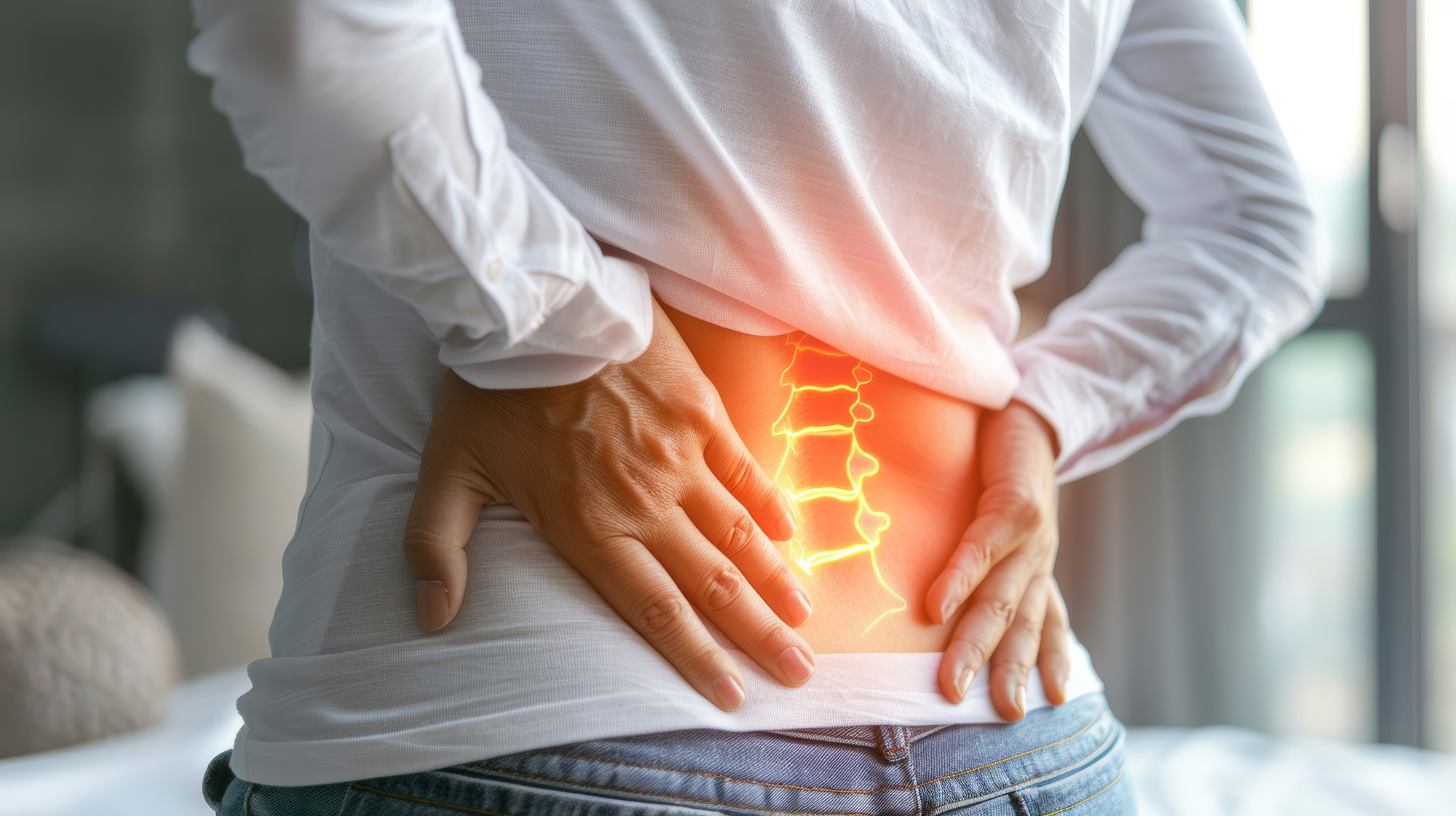 Disc Herniation, often referred to as a slipped or ruptured disc, occurs when the soft inner portion of a spinal disc pushes through a tear in its tougher outer layer. This can irritate or compress nearby nerves, leading to pain, numbness, or weakness. Disc herniations most commonly affect the lower back (lumbar spine) or neck (cervical spine), and symptoms can range from mild discomfort to more severe, radiating pain. Early diagnosis and treatment can help relieve symptoms and prevent further complications.
What Causes a Disc Herniation?
Disc herniation is typically caused by gradual wear and tear on the spine, a process known as Degenerative Disc Disease. As discs lose hydration and flexibility over time, they become more prone to tearing or bulging. Other contributing factors include heavy lifting, improper body mechanics, sudden twisting movements, repetitive strain, and traumatic injuries. In some cases, genetics may also play a role in increasing susceptibility to disc problems.
Types of Disc Herniation
Lumbar Disc Herniation
This is the most common type and affects the lower portion of the spine. It often causes lower back pain that can radiate down the leg, a condition known as Sciatica. Patients may also experience numbness, tingling, or weakness in the leg or foot.
Cervical Disc Herniation
A herniated disc in the neck can cause pain that radiates into the shoulder, arm, and hand. Symptoms may include tingling, numbness, and muscle weakness, which can affect grip strength and arm movement.
Thoracic Disc Herniation
Less common than lumbar or cervical herniations, thoracic disc herniations occur in the mid-back. Symptoms may include localized pain or discomfort that can radiate around the chest or abdomen, sometimes mimicking other conditions.
Living with a Disc Herniation
Many individuals with a disc herniation improve with conservative care and are able to return to normal activities. Maintaining proper posture, strengthening core muscles, and avoiding activities that strain the spine can help prevent recurrence. With the right treatment plan and lifestyle adjustments, patients can effectively manage symptoms and maintain a good quality of life.
Request your Appointment Today!
Time to Live Pain Free.
"*" indicates required fields